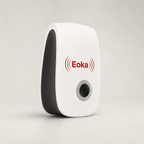
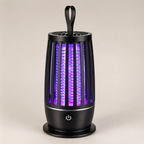
Tick protection without the chemicals.
Eoka builds inaudible ultrasonic devices that jam a tick's sensory organs — so your family can be outside without spray, smell, or sticky residue.

I worked countless nights to build protection that doesn't require slathering our kids in chemicals.
Why Eoka exists
It started with my daughter.
When my daughter was nine, a tick bite turned into Lyme disease — right in the middle of a perfectly ordinary summer. We'd done everything you're supposed to do: repellent, long sleeves, tick checks every night. It wasn't enough — and by the time we caught it, the bacteria had a head start.
Those months changed everything. I'm an engineer, and I couldn't shake the thought that the protection we were rubbing onto our kids was a chemical that washed off in the first swim. So I started working nights — with frequencies instead of bottles.
Eighteen months and countless prototypes later, Eoka is the protection I wish we'd had that summer: inaudible, chemical-free, and built for families who live outside.
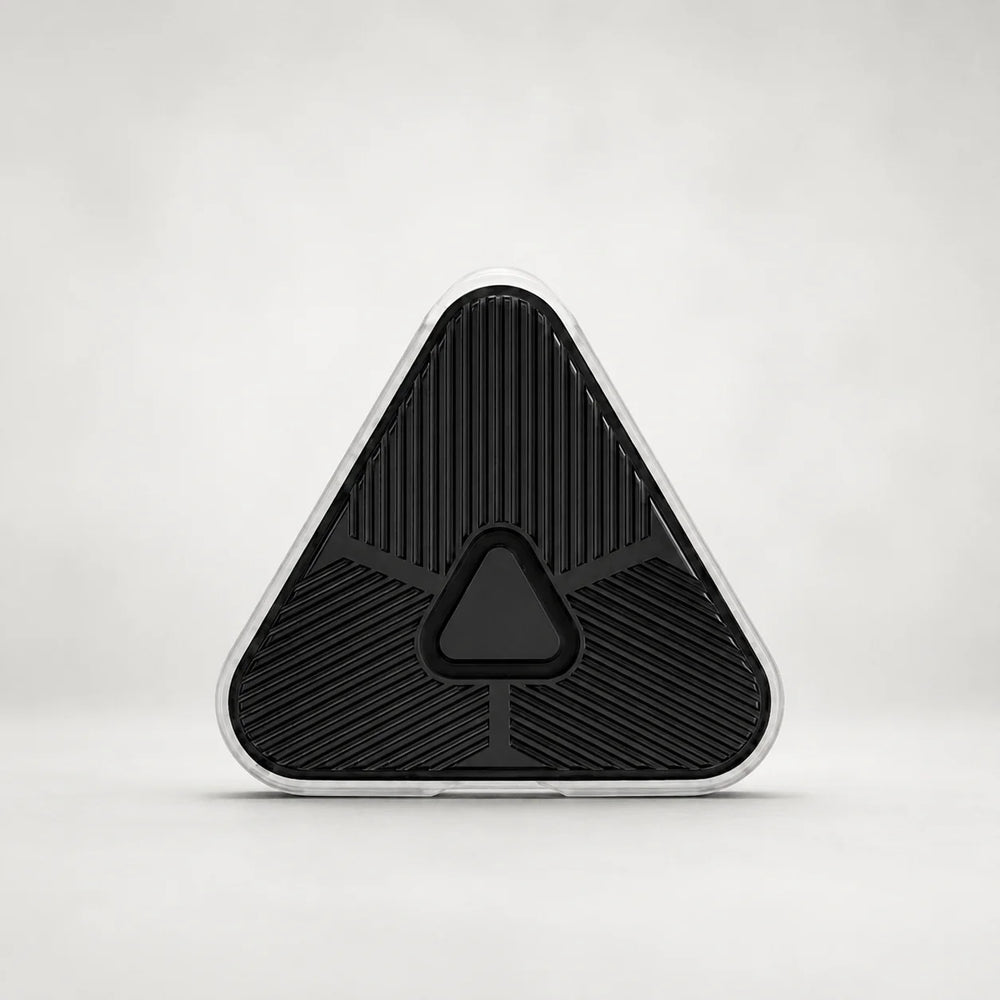
The flagship
Eoka Clip
A rechargeable 11-gram ultrasonic clip that snaps onto clothing, a bag, or a harness — creating a disruption zone around the wearer for 2–4 days per charge.
The technology
Inaudible to you. Impossible for the tick to ignore.
Eoka emits broadband ultrasonic pulses that jam Haller's organ — the tick's way of finding you.
The tick is listening
Using Haller's organ, a tick senses carbon dioxide, warmth, and vibration while it hunts for a host.
Eoka jams the signal
Continuous pulses across 9–21 kHz are designed to drown out the very signals the tick navigates by.
You won't notice a thing
The frequency sits above human hearing and is calibrated to be imperceptible even to dogs and cats.
The technology
How Eoka disrupts the tick
Eoka continuously emits ultrasonic pulses across a wide spectrum, 9–21 kHz — designed to jam Haller's organ, the sensory organ a tick uses to detect carbon dioxide, warmth, and movement while hunting for a host. The same kind of ultrasonic technology has long been used in tick protection for pets across Europe.
Interactive demo
Try it yourself: switch the clip on
A simplified simulation of the disruption zone. Without Eoka, ticks home in on warmth and carbon dioxide — see what happens when you turn it on.
Our journey
18 months from kitchen table to finished product
Every step tested where the ticks actually are.
-
Day 1
The summer that changed everything
Daniel's daughter, nine years old, gets Lyme disease from a tick bite. That same summer, the question is born: why does tick protection have to mean chemicals?
-
Month 2
The frequency work begins
Nights at the kitchen table with research papers, signal generators, and the first circuit boards. The goal: jam Haller's organ — inaudibly to humans.
-
Month 8
37 prototypes in the field
37 prototypes are worn through a full tick season — on trails, in backyards, and on dog walks. The 9–21 kHz frequency range is dialed in.
-
Month 14
The family beta
A hundred families test Eoka in the field. Battery life, attachments, and charging get refined over real summers.
-
Month 18
The Eoka Clip launches
11 grams, USB-C, and 2–4 days of runtime. Finished after 18 intense months — built for families who live outside.
 From our workbench — the clip in development

For the family
Clip it onto a jacket, a bag, or the stroller — the protection tags along all day without anyone noticing.

For the dog
On the harness instead of chemicals in the fur — calibrated to be imperceptible even to sensitive dog ears.


”Three kids at the soccer fields all summer — not a single attached tick since the Fourth of July.”Jessica P. · Verified purchase
Our promise
Three things we never compromise on
Always chemical-free
Nothing sprayed, absorbed, or inhaled. Protection shouldn't feel like a chemistry experiment.
Always honest
We never promise miracles. Eoka is an extra layer in your tick routine — and we say so up front.
Always risk-free to try
30-day returns and a 1-year warranty. Doesn't work for your family? Money back.
Ready for a summer without the sticky stuff?
Clip Eoka onto your clothes, bag, or the dog's harness — and let the ultrasound do the work. Try it for 30 days wherever you usually pick up ticks.
Free shipping over $39 · Ships within 24 hrs · Apple Pay & PayPal